Aluminum Railing for a Porch in Massachusetts: Cost, Code & Rust, Explained
An aluminum railing for a porch won't rust and usually costs less than wrought iron — but iron wins on strength and heft. Here's the honest MA comparison, code, and cost.
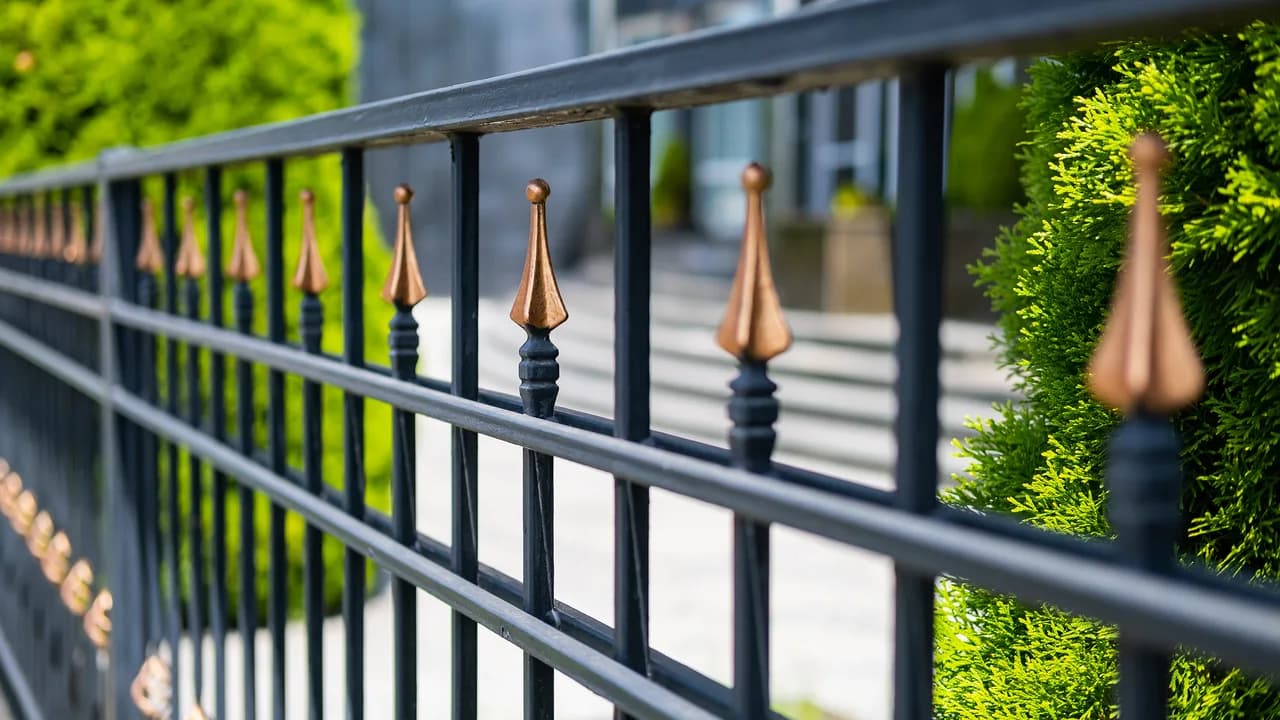
Quick answer: An aluminum railing for a porch is the lower-maintenance, usually more affordable choice — it won't rust, it's light, and a good powder-coated finish shrugs off New England winters. Wrought iron wins on raw strength, heft, and that solid, ornamental look. Neither is "better" everywhere: aluminum makes sense on most everyday porches and decks, while iron earns its price on grand entries, security-minded builds, and anywhere you want serious presence. Here's the honest breakdown — plus the Massachusetts code that applies to both.
Aluminum vs. wrought iron: the honest comparison
Both are proven porch-railing materials. They just trade off differently:
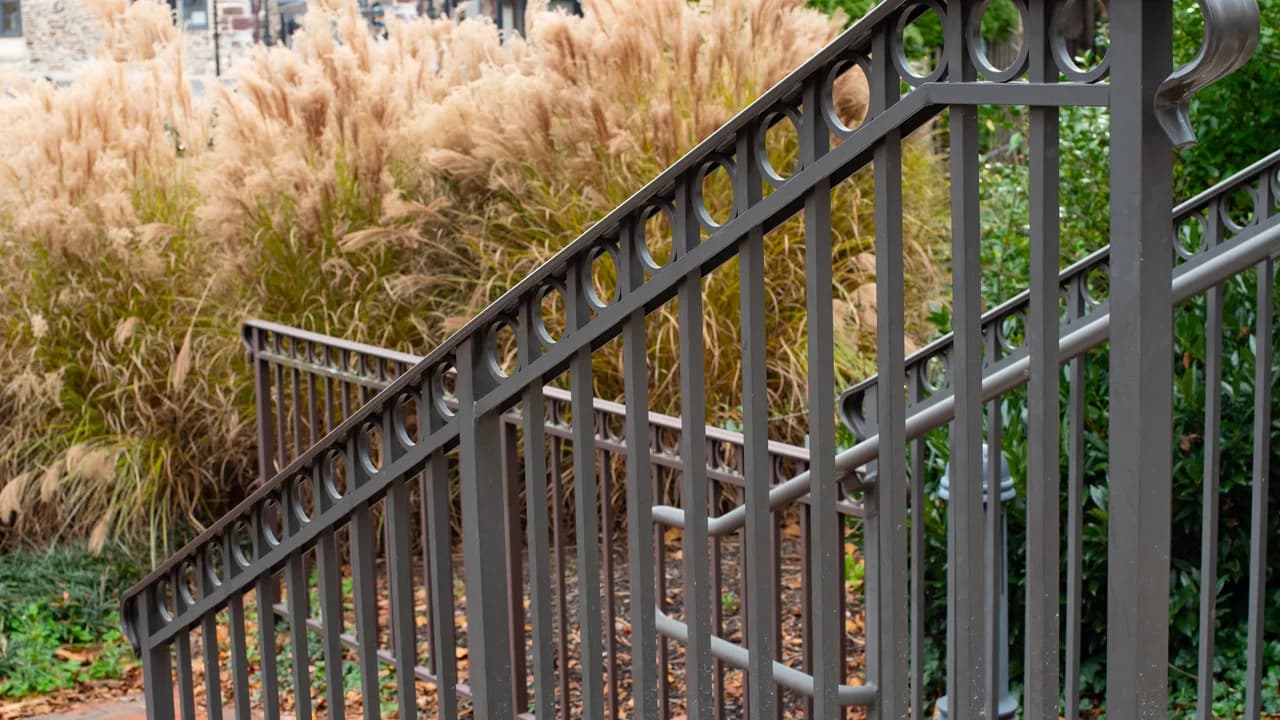
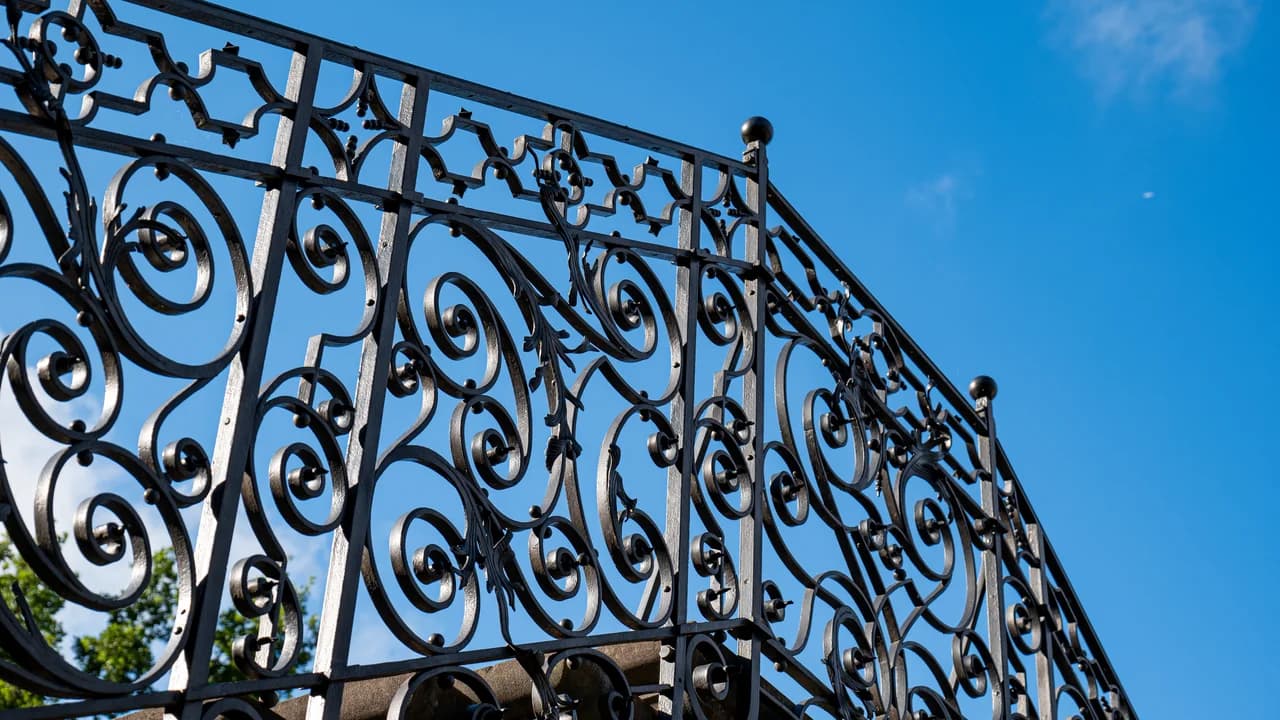
- Look. Iron reads solid and traditional — heavier scrollwork, a hand-forged weight to it. Aluminum can be shaped to mimic that ornamental style, but the profiles are lighter and the detail is a touch cleaner and more uniform. Up close, a trained eye can tell; from the curb, most people can't.
- Cost. Aluminum is typically the more budget-friendly option for a comparable railing. A custom iron railing generally lands in the $700–$3,500 ballpark depending on length, design, and finish (an ornate or structural run goes higher). Aluminum usually comes in under a comparable custom-iron price — the exact number depends on your porch and the system, which the pro confirms after an on-site measure.
- Maintenance. Aluminum is close to hands-off: rinse it, done. Iron needs its finish watched — a chipped spot left bare will rust, so it wants occasional touch-up and repainting over its life.
- Strength. Iron and steel are heavier and more rigid; they take abuse and resist prying. Aluminum is strong enough to meet code as a guard when it's a proper structural railing system and anchored right, but it's a softer metal — a hard impact can dent it where iron wouldn't budge.
- Lifespan. Both last decades when they're finished and installed correctly. The failure point for either isn't the metal aging out — it's a bad finish or bad anchoring letting the weather in early.
When aluminum makes sense — and when iron wins
Reach for aluminum when you want a clean, low-fuss porch or deck railing, you're value-conscious, or the run is long enough that iron's cost and weight start to add up. It's the sensible default for most Massachusetts porches, especially coastal ones where salt air punishes any bare metal.
Iron earns its price when you want real ornamental weight — a statement entry, custom scrollwork, or a look that matches an older home's character — or when strength and security genuinely matter. If you're leaning that way, our iron railings for your home page walks through what that looks like.
Plenty of homeowners mix the decision with the design itself. If you're still shaping the look before you settle on a metal, our porch railing ideas for New England homes post is a good place to gather styles first, then decide.
Does the same building code apply? Yes — material doesn't change the rules
This trips people up: switching to aluminum does not lower the bar. On new or replacement work, a porch railing has to meet the same Massachusetts building code (780 CMR, which follows the IRC for one- and two-family homes) whatever the metal:
- Guard height: at least 36 inches for residential porches; 42 inches for commercial or multi-family. A guard is required wherever the open side sits more than 30 inches above the grade below.
- Infill spacing: the openings can't let a 4-inch sphere pass through — the classic "baluster spacing" rule, and the same for aluminum pickets as for iron.
- Handrail: if your porch steps have four or more risers, they need a graspable handrail at 34–38 inches above the nosing, continuous, with returns.
One caveat up front: code is enforced by your local building department, and Massachusetts adopts specific editions with its own amendments. Treat these as the baseline and confirm the exact requirement for your project — in Worcester, Greater Boston, or wherever you are — with your city or town's inspector before anything gets fabricated.
The rust question, answered honestly
Here's the headline aluminum shoppers come for: aluminum does not rust. Rust is iron oxidizing, and there's no iron in it — so you'll never get the orange-bleed streaks that eat a poorly finished iron railing. That's a real, permanent advantage in wet, salty New England.
But "won't rust" isn't the same as "immune to the weather." Aluminum can still corrode in its own way: exposed to road salt inland or coastal salt air around Boston and the shoreline, a bare or cheaply finished aluminum surface can pit, chalk, and oxidize over time. The protection isn't the metal alone — it's the finish. A quality powder-coat over properly prepped aluminum is what keeps a porch railing looking new for years. A bargain railing with a thin, sprayed-on coat is the one that disappoints, in either metal.
Iron plays the same game from the other side: bare or poorly finished iron rusts, but galvanizing plus powder-coat — the durability play — keeps it solid. So the real question on any porch railing isn't just "which metal," it's "which metal with which finish, installed how."
New England weather and your footings
Whatever the railing is made of, the ground it stands on matters. Massachusetts freeze-thaw cycles heave and loosen posts over a few winters if they aren't set right — and a wobbly guard fails inspection and fails you. The fix is the same for aluminum and iron: posts fastened solidly to the porch structure or set below the frost line, not just surface-tacked to a slab that shifts. Loose or under-anchored posts are the single most common railing failure, and they don't care what metal is bolted on top.
Not sure whether aluminum or iron is right for your porch — or whether your steps even trigger the handrail rule? That's exactly what the vetted local pro we match you with sorts out before any metal is cut. Get a free estimate.
Maintenance reality, side by side
- Aluminum: hose it off a couple times a year, done. No repainting cycle. If it ever gets scratched to bare metal, it won't rust — worst case is a cosmetic touch-up.
- Iron: inspect the finish, and touch up chips promptly so bare spots don't rust. Plan on repainting or refinishing periodically over its life. More upkeep, in exchange for the weight and look you paid for.
For most homeowners who don't want a maintenance chore, the aluminum column is the honest selling point. For those who want the iron look and don't mind the care, the trade is worth it.
What it costs to get it done right
Aluminum generally runs less than a comparable custom iron railing, and iron work typically lands in the $700–$3,500 range for residential railings — with ornate designs, long runs, and heavy anchoring pushing higher. Those are ballparks, not quotes. Anyone can toss out a per-foot number; only an on-site measure produces your real figure, factoring your porch's length, height, step count, and how the posts have to be anchored to survive the frost. If you want to see how the numbers move by length, finish, and install, our Massachusetts stair railing cost guide breaks down what actually drives the price.
The verdict
Pick aluminum for a low-maintenance, budget-friendly porch railing that never rusts — the right call for most everyday porches and decks, especially near the coast. Pick wrought iron when you want real strength, heft, and ornamental presence and don't mind the upkeep. On either, the finish (powder-coat), the code (36-inch guard, no 4-inch gaps), and the post anchoring matter more than the metal name. Get all three right and both last decades; get them wrong and both disappoint.
Get your porch railing measured and installed by a matched pro
Made the material call — or still torn? Either way, the next step is the same: get real hands and a tape measure on your porch. Tell us about your project and we'll match you with a vetted, independent Massachusetts ironwork pro who'll recommend the right metal and finish for your exposure, build to the code your inspector actually checks, and set the posts to survive New England winters. We don't fabricate or install anything ourselves — we connect you with the local pro who does. If your porch has steps, they'll also confirm whether the handrail rule applies and handle the railing itself — our stair railing installation guide covers what a code-compliant install actually involves.
Get your free porch-railing estimate →
Related: Iron railings for your home · Porch railing ideas
Ready to start your project?
Get an exact price for your ironwork project in under two minutes.
Get my fast estimate